
You can have a hardware wallet, a carefully protected recovery phrase and strong account security — and still make a poor investment decision.
That is one of the less obvious risks in cryptocurrency: security technology protects you from some technical threats, but it cannot remove behavioral mistakes.
Crypto markets can move quickly, social media can amplify emotional reactions and a profitable trade can create a false sense of confidence. Under those conditions, normal psychological biases can influence how people buy, sell, hold and evaluate risk.
This does not mean that every investment loss is caused by psychology. Markets can fall for reasons nobody could have predicted. The useful question is different:
This guide examines five common behavioral traps — recency bias, loss aversion, confirmation bias, FOMO and overconfidence — and turns each one into a practical rule you can use.
Why Psychology Matters in Crypto
Behavioral finance studies how psychological factors can affect financial decisions. Investors are not always perfectly rational calculators; expectations, emotions, previous experiences and social signals can influence decisions.
This is especially relevant to crypto because the market can be highly volatile and speculative. Investor.gov warns that crypto-related investments can involve significant risk and advises investors to create a plan, understand their risk tolerance and avoid allowing short-term emotions to disrupt long-term objectives. 2
Research specifically examining cryptocurrency markets has also investigated behavioral biases, including the role of prospect-theory effects, sentiment, herding and recency-related behavior. 3
The goal is therefore not to eliminate emotion. That is unrealistic. The goal is to build a decision process that still works when you are excited, scared or tempted to act quickly.
1. Recency Bias: When the Recent Past Becomes Your Forecast
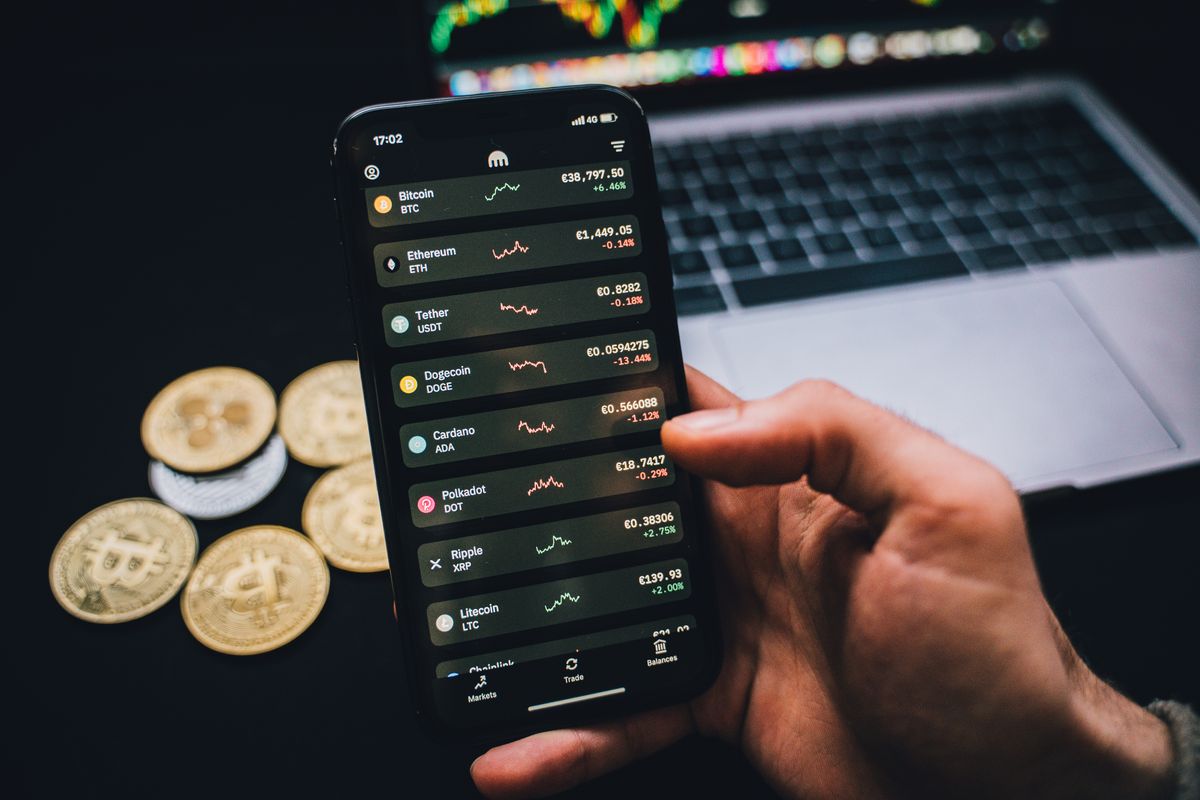
Recency bias occurs when recent events receive disproportionate weight when forming expectations about what happens next.
Imagine that an asset has risen strongly for several weeks. After seeing the same direction repeatedly, it can become psychologically easy to assume that the trend will continue.
The opposite can happen after a sharp decline. A recent crash can make a permanent collapse feel more likely than the available evidence actually supports.
Recent research on Bitcoin specifically examines how investors' perceptions of past returns can influence risk attitudes and describes recency bias as giving disproportionate weight to recent returns when forming expectations. 4
The danger
Recent performance is information, but it is not a guarantee of future performance.
A five-minute chart, a one-week rally or a single dramatic crash can dominate your attention even though your actual investment horizon may be measured in years.
How to reduce recency bias
- Define your time horizon before investing. Decide whether you are making a short-term trade or a long-term investment.
- Review more than one timeframe. Do not make a major decision from a single chart interval.
- Write down your original thesis. Compare today's evidence with the reasons you originally invested.
- Separate price movement from fundamental changes. A price moving does not automatically explain why it moved.
The point is not to ignore the market. It is to stop the latest candle from becoming your entire worldview.
2. Loss Aversion: Why Selling Can Feel Like Admitting Defeat
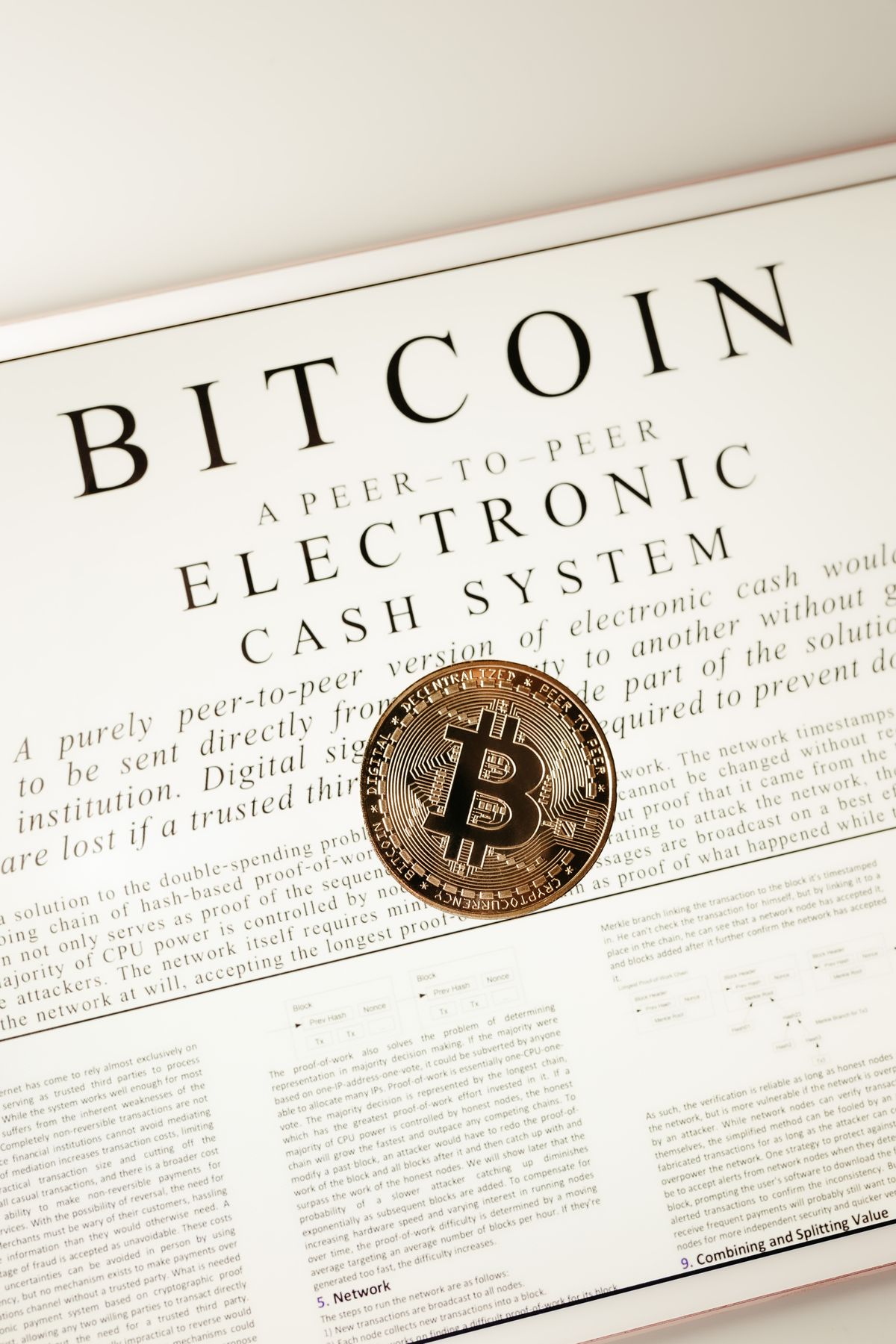
Loss aversion describes the tendency for losses to have a stronger psychological impact than equivalent gains.
In investing, this can contribute to a familiar problem: refusing to reconsider an asset simply because selling it would make a loss visible.
This is closely related to the disposition effect, the tendency documented in behavioral-finance research to hold losing investments longer while realizing gains more readily. Research using a very large investor dataset has found evidence of disposition bias across different investor groups. 5
The psychological trap
Suppose you bought an asset because you believed its long-term prospects were attractive. It then falls substantially.
Your brain may focus on one question:
A better question is:
Those are very different questions.
How to reduce loss aversion
- Define your thesis. Know why you own the asset before its price moves against you.
- Define invalidation conditions. Identify what evidence would make your original thesis no longer credible.
- Review the position independently of your purchase price. The price you paid is historical information, not a guarantee of recovery.
- Do not average down automatically. A lower price does not by itself make an asset more attractive.
There is also an important correction to the original article: using a stop-loss is not a universal solution. Stop orders can have execution and market-impact considerations, especially in volatile or illiquid markets. The appropriate risk-control method depends on the strategy and asset.
3. Confirmation Bias: Building an Information Bubble Around Yourself

Confirmation bias is the tendency to favor information that supports an existing belief while giving less attention to evidence that challenges it.
Crypto communities can make this particularly easy.
If you own Bitcoin, you can find bullish analysis. If you own an altcoin, you can find a community explaining why the next catalyst will send the price higher. If you are bearish, you can find an equally convincing stream of content supporting the opposite conclusion.
The problem is not following people who agree with you. The problem is never deliberately testing whether your belief could be wrong.
Signs you may be inside an information bubble
- You dismiss every negative article as “FUD”.
- You only follow analysts who agree with your position.
- You interpret criticism as a personal attack.
- You remember successful predictions but forget failed ones.
- You search for information only after deciding what you want to believe.
How to fight confirmation bias
- Write the bearish case. Before a major purchase, list the strongest reasons your thesis could fail.
- Look for disconfirming evidence. Do not only search for articles that support your position.
- Separate evidence from opinion. A confident social-media post is not automatically reliable analysis.
- Update your thesis. Changing your mind when evidence changes is not failure.
4. FOMO: The Fear of Missing the Next Big Move
FOMO — fear of missing out — is one of the most obvious psychological pressures in crypto.
You see an asset rise rapidly. People online are posting screenshots of profits. Headlines describe the next major opportunity. Suddenly, not owning the asset feels like a mistake.
Research published in Psychology & Marketing found across five studies and eight experiments that externally triggered FOMO appeals influenced crypto investment decisions and could lead to repeated investment decisions even after previous losses. 6
A 2026 study of retail crypto investors also examined relationships between FOMO, self-confidence, greed and investment behavior. 7
Why FOMO is dangerous
FOMO changes the question from:
to:
That emotional change can encourage rushed decisions, oversized positions and purchases made without adequate research.
How to beat FOMO
- Use a cooling-off period. For non-essential purchases, consider waiting before acting on a sudden price move.
- Keep a written investment plan. Decide in advance what types of assets and risks fit your strategy.
- Never increase position size simply because price is moving quickly.
- Ask what information you would need to buy the asset if social media disappeared.
- Remember opportunity cost. You do not need to participate in every market move.
There will always be another trade, another narrative and another market cycle. You do not need to catch every move.
5. Overconfidence: When a Few Wins Feel Like Proof of Skill

After several successful trades, it is easy to conclude that your method works.
But a profitable result does not necessarily prove that the decision-making process was good. A favorable outcome can contain both skill and luck.
Behavioral-finance research has repeatedly examined the relationship between overconfidence and trading activity. Some studies associate overconfidence with greater trading frequency, while the broader literature also shows that the relationship between trading frequency and returns can be more complicated than a simple “trade less and automatically earn more” rule. 8
The dangerous progression
“My analysis was correct.”
“I understand this market.”
“I can handle a larger position.”
The larger position makes the mistake much more expensive.
How to reduce overconfidence
- Keep a decision journal. Record why you entered a position, not just whether it made money.
- Track failed predictions. They are often more educational than successful ones.
- Measure your process. Ask whether you followed your rules rather than only looking at profit.
- Control position size. A strong opinion does not justify unlimited exposure.
- Separate confidence from certainty. You can have high conviction while accepting that you may be wrong.
6. The Hidden Trap Behind All Five: Herd Behavior
Although this article focuses on five psychological biases, there is another pattern worth recognizing: herd behavior.
When many people appear to believe the same thing, the belief itself can become social evidence.
In crypto this can happen through social-media trends, online communities, influencer content, viral narratives and rapidly rising prices.
Research on cryptocurrency markets has found evidence that market sentiment and herding can be relevant to crypto-asset valuations, although the strength of these effects can vary across market conditions. 9
Ask yourself
- Would I still buy this if nobody on social media mentioned it?
- What evidence exists outside the community promoting it?
- What would make this thesis wrong?
- Am I buying because I understand the asset or because everyone else is excited?
7. Build a Decision System Instead of Trusting Your Mood
You cannot reliably tell yourself to “just be rational” when money is moving quickly.
A better approach is to create rules before emotional pressure appears.
| Bias | Typical thought | Better question |
|---|---|---|
| Recency bias | “It has been rising, so it will keep rising.” | “What evidence supports my expected future return?” |
| Loss aversion | “I cannot sell because I would lock in a loss.” | “Would I buy this position today?” |
| Confirmation bias | “Everyone who disagrees is spreading FUD.” | “What is the strongest argument against my thesis?” |
| FOMO | “I need to buy before it is too late.” | “Would I make this decision without the social pressure?” |
| Overconfidence | “I have been right several times.” | “How much of this result could be luck?” |
| Herd behavior | “Everyone is buying it.” | “What independent evidence supports the decision?” |
8. A Five-Minute Pre-Trade Checklist
Before making a significant crypto investment or trade, stop and answer these questions in writing.
- What exactly am I buying?
- Why am I buying it?
- What would prove my thesis wrong?
- What percentage of my available capital is at risk?
- What is my intended time horizon?
- Am I reacting to a recent price move?
- Am I afraid of missing out?
- Have I deliberately looked for contradictory information?
- Would I still make this decision tomorrow?
- Can I afford the possibility of losing the money involved?
The 10-Question AI Scam Test
When something involving your cryptocurrency feels unusual, run through these questions before taking action.
-
Did I expect this contact?
Unexpected contact deserves additional scrutiny. -
Who initiated the conversation?
An unsolicited approach is not automatically fraudulent, but it increases the need for independent verification. -
Is someone creating urgency?
Fear and time pressure are common social-engineering techniques. -
Are they asking for my recovery phrase?
If yes, stop. -
Are they asking for my private key, PIN or password?
Do not provide sensitive credentials to an unsolicited contact. -
Am I being asked to click a link?
Open the official service independently instead. -
Am I being asked to install software?
Verify the software and source through official documentation. -
Does the transaction match what I intended?
Read the important details before approving. -
Can I verify the person or company independently?
Use an official channel that you found yourself. -
Would I still do this if there were no time pressure?
If the answer is no, stop and investigate.
Protect the Accounts Around Your Wallet
AI scams do not necessarily attack the wallet directly. Email accounts, exchange accounts and social-media accounts can all become part of the attack chain.
Prioritize these controls
- Use a unique password for every important account.
- Use a password manager where appropriate.
- Enable multifactor authentication.
- Prefer phishing-resistant FIDO/WebAuthn authentication when available.
- Protect your primary email account carefully.
- Review account recovery methods.
- Remove old sessions and devices you no longer recognize.
CISA distinguishes between different forms of MFA and identifies phishing-resistant authentication such as FIDO/WebAuthn as a stronger option than methods such as SMS or voice-based authentication.
Keep Your Computer and Phone Out of the Attacker's Hands
A hardware wallet does not make the rest of your digital environment irrelevant. Your computer or smartphone can still be used to manipulate the interface, display fraudulent information, deliver malware or steal account credentials.
Basic device security
- Install operating-system security updates.
- Keep your browser updated.
- Remove suspicious browser extensions.
- Install software from trusted sources.
- Use a screen lock and strong device authentication.
- Be cautious with remote-access software.
- Do not install a wallet application because a stranger told you to.
Watch browser extensions carefully
Browser extensions can have significant permissions. If an extension is unnecessary, outdated or from an untrusted developer, removing it can reduce your attack surface.
The same principle applies to cryptocurrency applications: download through official channels and verify the source.
What to Do If You Already Interacted With an AI Scam
Do not assume that losing money is the only possible consequence. The correct response depends on what information or authorization you provided.
| What happened | Immediate response |
|---|---|
| You only received a suspicious message | Do not respond. Block or report it and independently verify any claimed issue. |
| You clicked a suspicious link | Close the page and assess whether you entered credentials or installed anything. |
| You entered an exchange password | Change the password from a trusted environment and review active sessions and MFA. |
| You installed suspicious software | Stop using the affected environment for sensitive operations and investigate the device. |
| You connected your wallet to a suspicious site | Disconnect it and review what permissions or transactions were authorized. |
| You signed a suspicious transaction | Review the transaction and any resulting approvals or asset movements immediately. |
| You revealed your recovery phrase | Treat the wallet as compromised and move assets to a newly generated wallet using a secure process. |
What AI Cannot Magically Do
It is important not to let headlines create the wrong mental model. Artificial intelligence does not automatically defeat cryptocurrency security.
A realistic deepfake cannot by itself authorize a blockchain transaction. A convincing phishing email cannot automatically obtain a recovery phrase. An AI-generated website does not gain legitimate access simply because it looks like the real website.
The attack still needs a path to the victim's information, credentials, authorization or funds.
| Threat | What the attacker wants | Useful defense |
|---|---|---|
| Deepfake impersonation | Your trust | Independent identity verification |
| Phishing | Credentials or sensitive information | Official channels and careful domain verification |
| Wallet-draining site | Your transaction authorization | Understand and verify what you sign |
| Recovery-phrase scam | Full wallet backup | Never disclose the recovery phrase |
| Account takeover | Email or exchange access | Strong passwords and phishing-resistant MFA |
Your AI-Scam Protection Checklist
- I never share my recovery phrase.
- I never give private keys, PINs or passwords to unsolicited support contacts.
- I do not trust a video or voice call as proof of identity.
- I independently open official websites instead of following suspicious links.
- I verify transaction details before signing.
- I understand what permissions I am granting to decentralized applications.
- I keep my recovery material offline and protected.
- I use strong authentication for important accounts.
- I keep my operating system, browser and wallet software maintained.
- I stop when someone creates unnecessary urgency.
Frequently Asked Questions
Are AI crypto scams actually happening?
Yes. AI is being used in broader fraud and impersonation campaigns, including cryptocurrency-related scams. The important nuance is that AI is generally an enhancement to existing fraud techniques rather than a completely new category of blockchain attack.
Can a deepfake steal cryptocurrency by itself?
No. A deepfake is primarily an impersonation or social-engineering tool. The attacker normally still needs the victim to reveal information, send funds, install software or authorize an action.
Can AI hack my hardware wallet?
AI itself does not automatically bypass the security architecture of a hardware wallet. However, attackers can use AI to improve phishing, impersonation, malicious websites and other methods designed to persuade the user to authorize an unsafe action.
Should I stop using cryptocurrency because of AI scams?
That is a personal risk decision. The practical security lesson is to understand the risks associated with self-custody, exchanges, decentralized applications and online accounts, then use controls appropriate to your situation.
Is a hardware wallet enough to protect my crypto?
No. It is one security layer. Recovery-phrase protection, transaction verification, device security, account security and phishing resistance are also important.
Is SMS 2FA completely unsafe?
No. SMS-based MFA can provide additional protection compared with using a password alone. However, phishing-resistant methods such as FIDO/WebAuthn provide stronger protection against phishing and should be preferred when available.
Sources and Further Reading
- Chainalysis — 2026 Crypto Scams Report
- Chainalysis — What Is Approval Phishing?
- CISA — Implementing Phishing-Resistant MFA
- CISA — Require Multifactor Authentication
- CISA — Mobile Communications Best Practices
- Ledger — Essential Hardware Wallet Security Tips
- Ledger — Crypto Impersonation Scams
- Trezor — Device Security Guidance
Related ColdStorageHub Guides
Final Takeaway: Verify, Don't Trust the Appearance
AI has made it easier to produce convincing text, images, voices and online experiences. That raises the quality of social engineering, but it does not change the fundamental security model of cryptocurrency.
The safest response is not to become paranoid about every message or video. It is to build a process that makes deception harder to turn into a financial loss.
Open official websites independently. Protect your recovery phrase. Use strong authentication. Verify transactions before signing them. Understand permissions before granting them. And when somebody tells you that you must act immediately, stop first and verify.
AI can imitate a person, generate a convincing website and automate a scam. Your strongest defense is a security process that does not depend on appearances.
Disclaimer: This article is provided for educational and informational purposes only. It is not financial, investment, legal or cybersecurity advice. Cryptocurrency, self-custody and decentralized applications involve significant risks. Always verify current security instructions through the official documentation of the wallet, exchange, application or service you use.